Skip to content
775-423-6075
565 Rio Vista Drive, Fallon, NV 89406
Follow Us on Facebook
Home
Departments
News
Calendar
Employment
Resources
Payments
Fees & Licensing Payments
Finance Dept. Water Payments
Housing Dept. Payments
Tax Payments
Tribal Court Fee Payments
About Us
Tribal Election Committee
Contact Us
Home
Departments
News
Calendar
Employment
Resources
Payments
Fees & Licensing Payments
Finance Dept. Water Payments
Housing Dept. Payments
Tax Payments
Tribal Court Fee Payments
About Us
Tribal Election Committee
Contact Us
Home
Departments
News
Calendar
Employment
Resources
Payments
Fees & Licensing Payments
Finance Dept. Water Payments
Housing Dept. Payments
Tax Payments
Tribal Court Fee Payments
About Us
Tribal Election Committee
Contact Us
Home
Departments
News
Calendar
Employment
Resources
Payments
Fees & Licensing Payments
Finance Dept. Water Payments
Housing Dept. Payments
Tax Payments
Tribal Court Fee Payments
About Us
Tribal Election Committee
Contact Us
Category: Environmental
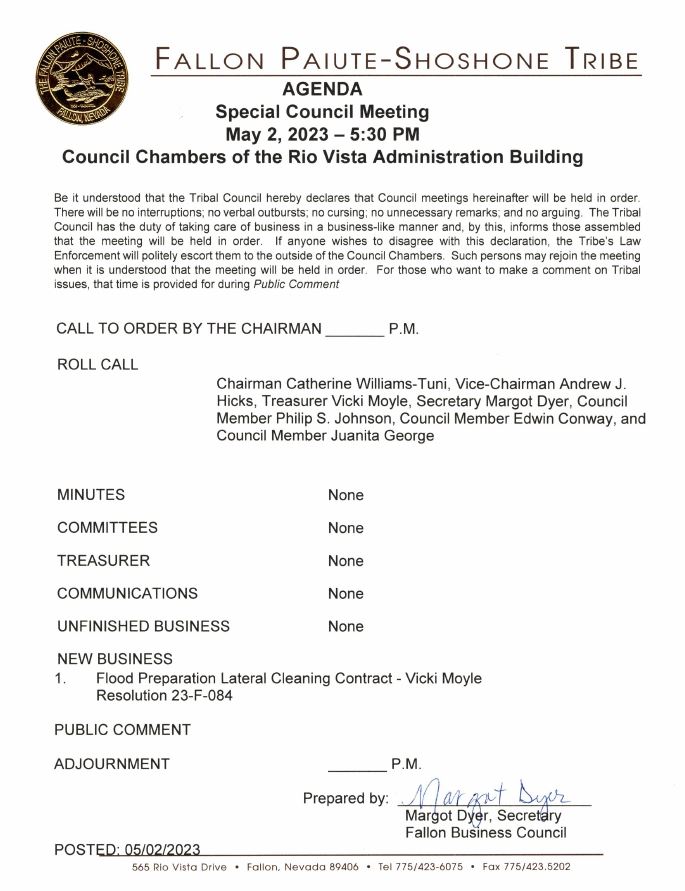
Special Council Meeting Agenda – May 2, 2023
Read More »
May 2, 2023
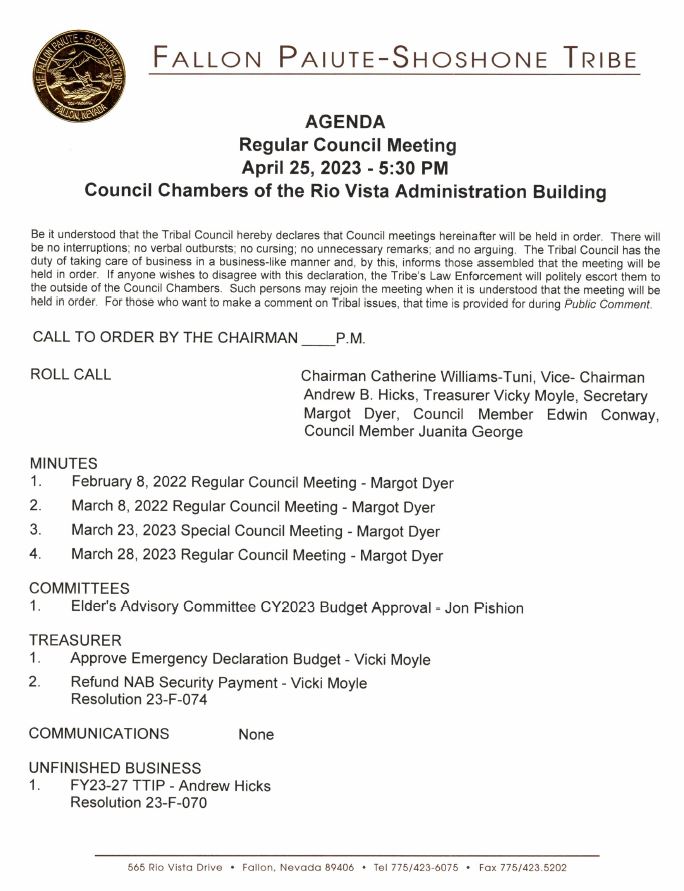
Regular Council Meeting Agenda for April 25, 2023
Read More »
April 20, 2023
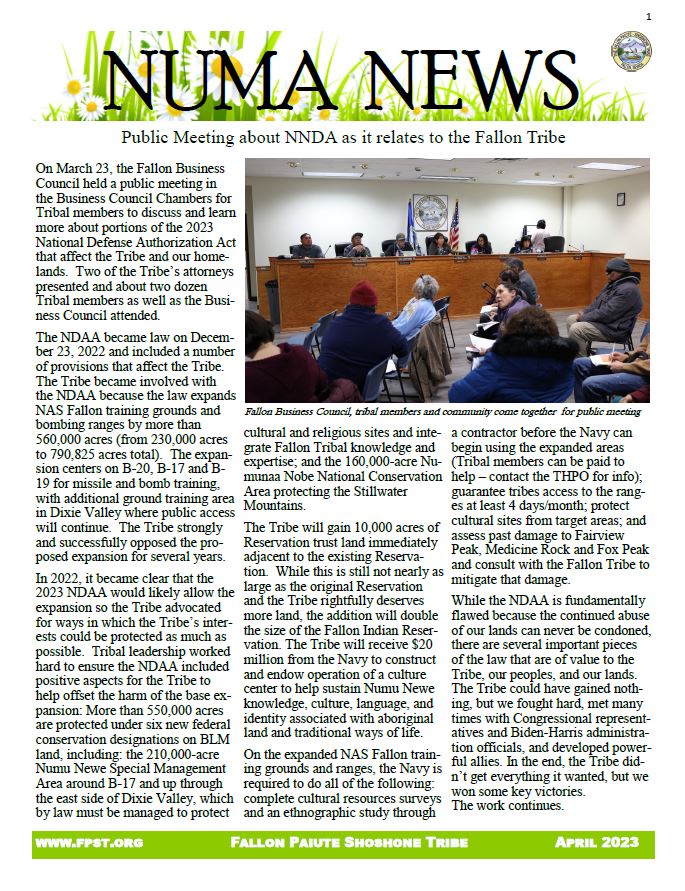
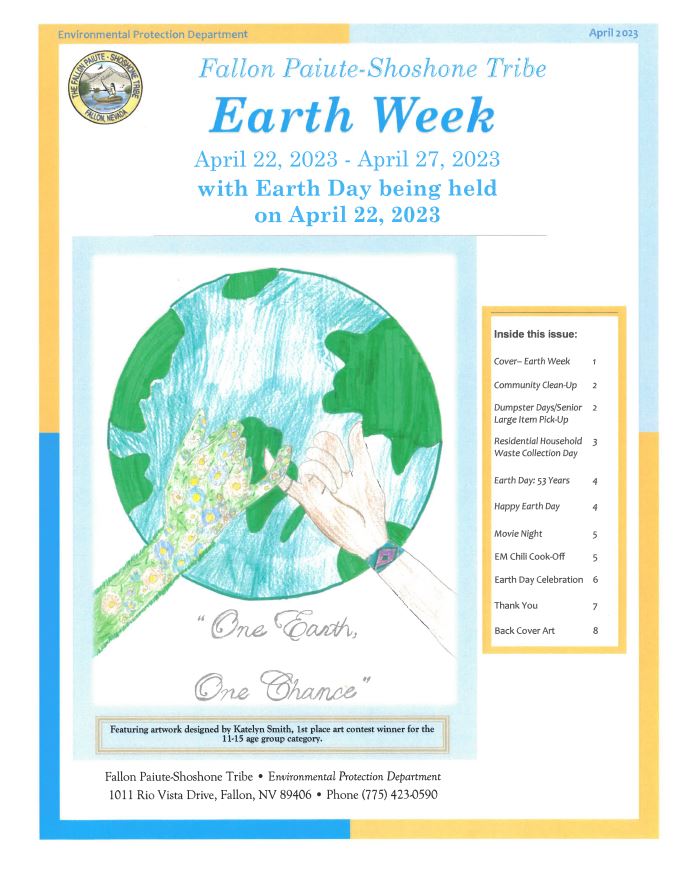
April 2023 Numa News
Read More »
April 18, 2023
Earth Day 2023 Program
Read More »
April 18, 2023
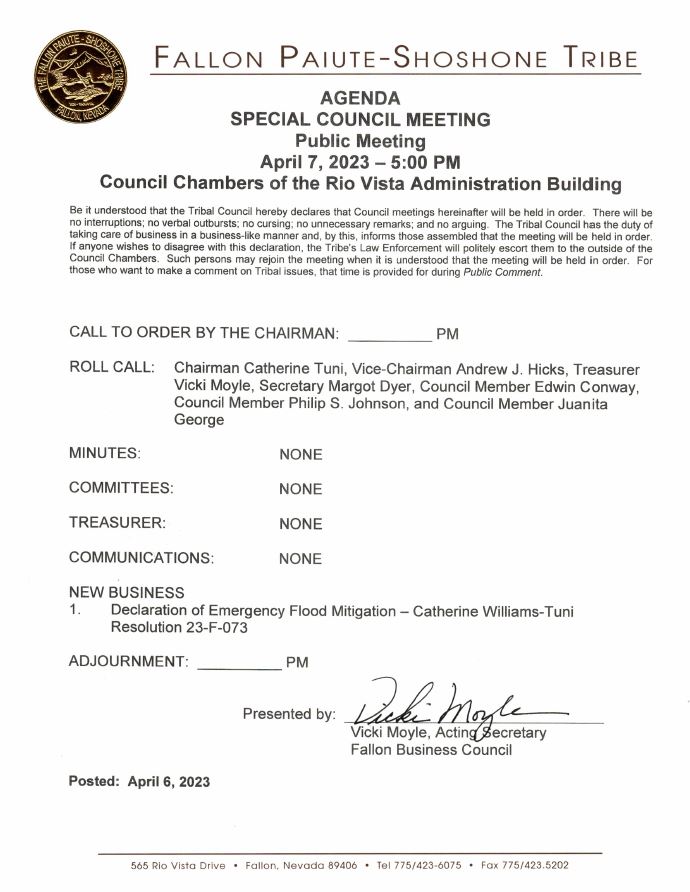
Special Council Meeting Agenda for April 7, 2023
Read More »
April 6, 2023
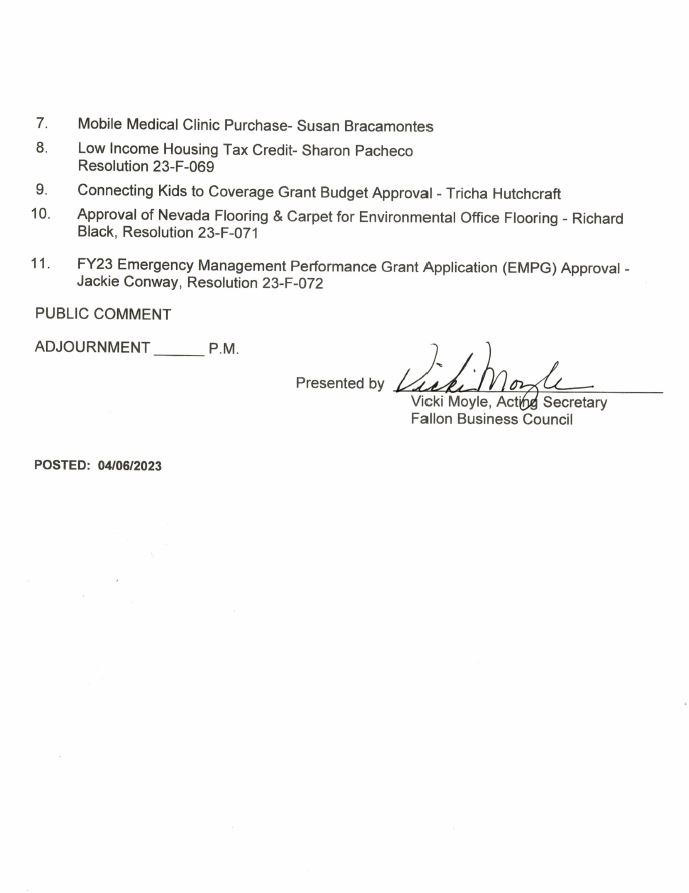
Regular Council Meeting Agenda for April 11, 2023
Read More »
April 6, 2023
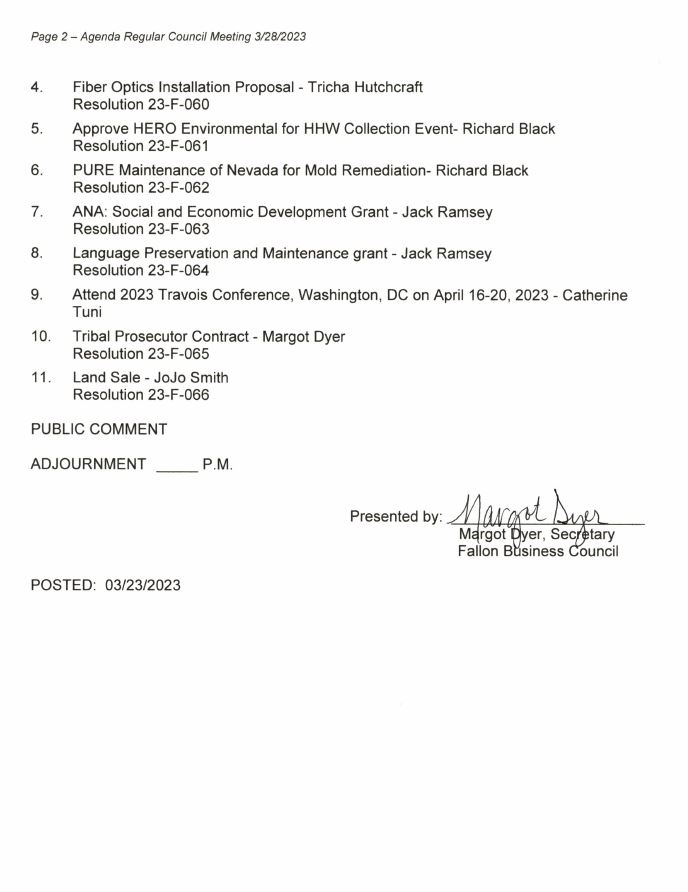
Regular Council Meeting Agenda – March 28, 2023
Read More »
March 28, 2023
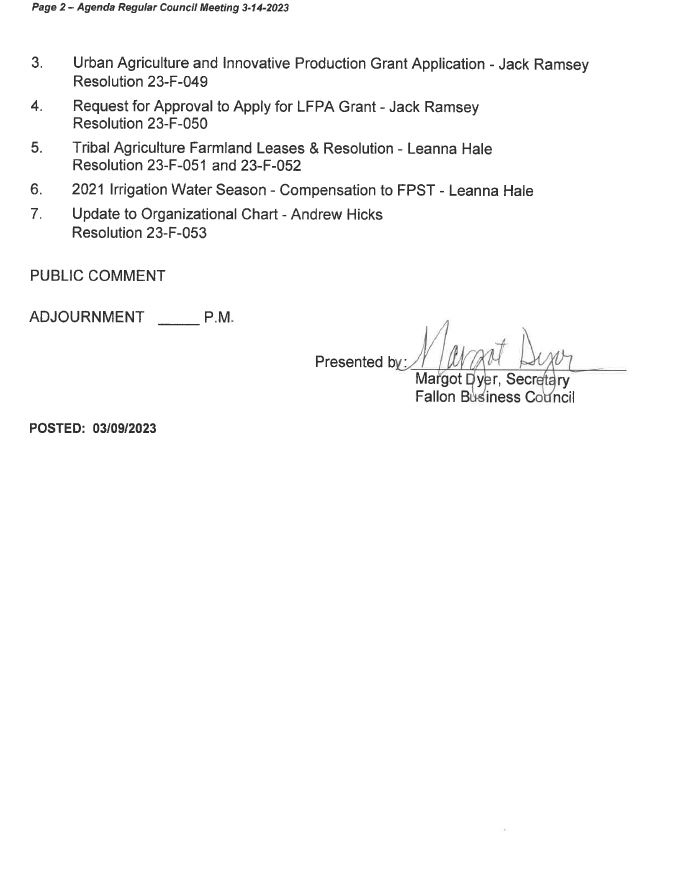
Regular Council Meeting Agenda – March 14, 2023
Read More »
March 9, 2023
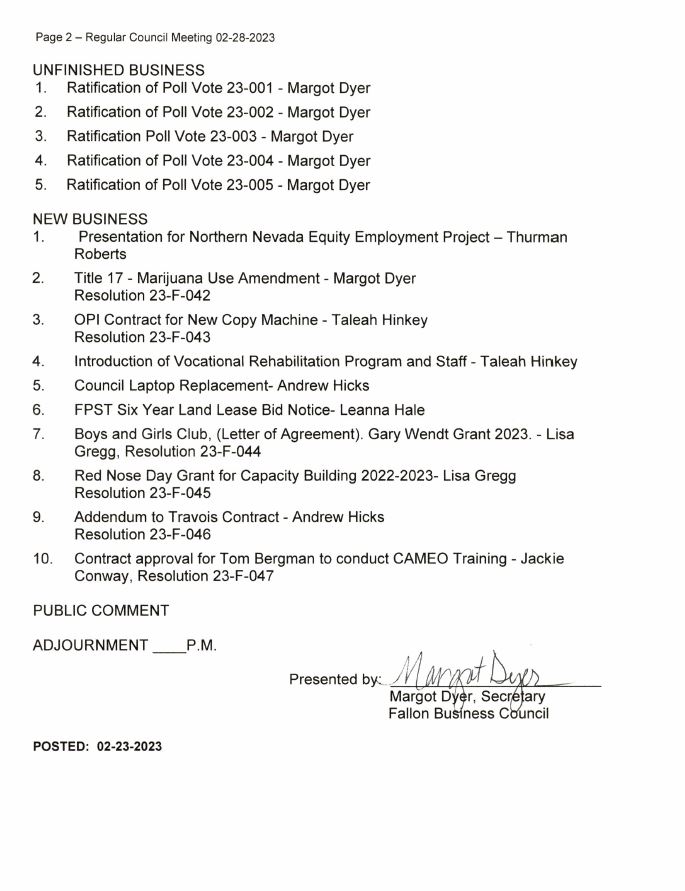
Regular Council Meeting Agrenda – February 28, 2023
Read More »
February 27, 2023
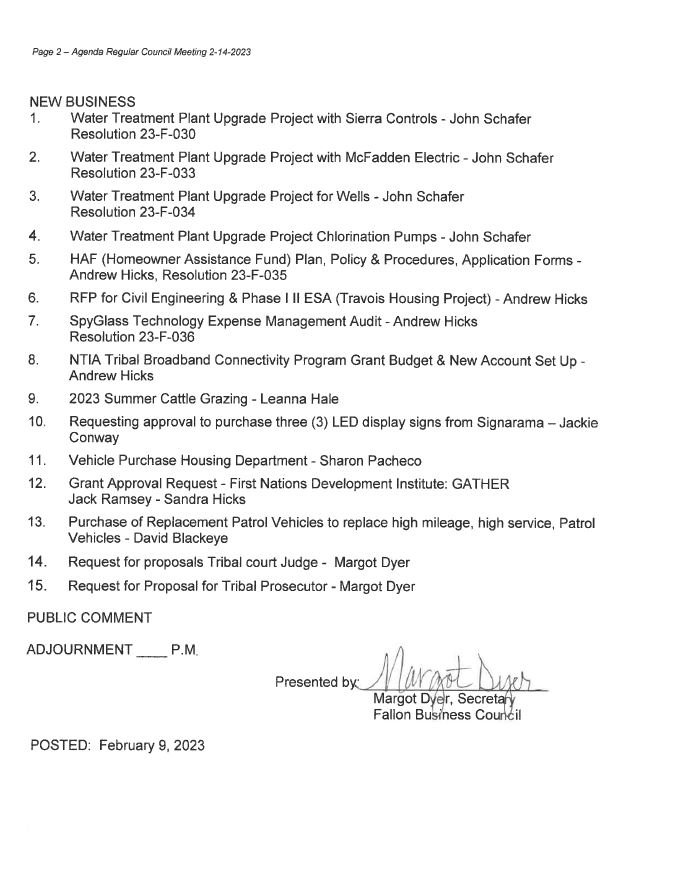
Regular Council Meeting Agenda, February 14, 2023
Read More »
February 10, 2023
« Previous
Page
1
Page
2
Page
3
Page
4
…
Page
10
Next »
Categories
Categories
Select Category
American Rescue Plan
Annual Report
Boys & Girls Club
Budget
Cambridge Report
CARES Act
Cattle Grazing
Child Care
Churchill County
CLC_Gym
Clinic
Committees
Community
COVID-19
Cultural
DMV
Election
Emergency Management
Employment
Environmental
FBC
FTDC
Grants
Health
Holiday
Housing
Job Postings
Judicial
Land/Water Resources
Law Enforcement
Membership
Naval Air Station
Nevada Govt
News and Events
Public Notice
Public Works
Pyramid Lake
Recycling
Request for Bid
RFP
RFQ
Schools
Senior Center
Social Services
Tax
TERO
THPO
Transportation
Uncategorized
Vaccine
Voc Rehab
Wetlands
Date Archives
Date Archives
Select Month
July 2025
June 2025
May 2025
April 2025
March 2025
February 2025
January 2025
December 2024
November 2024
October 2024
September 2024
August 2024
July 2024
June 2024
May 2024
April 2024
March 2024
February 2024
January 2024
December 2023
November 2023
October 2023
September 2023
August 2023
July 2023
June 2023
May 2023
April 2023
March 2023
February 2023
January 2023
December 2022
November 2022
October 2022
September 2022
August 2022
July 2022
June 2022
May 2022
April 2022
March 2022
February 2022
January 2022
December 2021
November 2021
October 2021
September 2021
August 2021
July 2021
June 2021
May 2021
April 2021
March 2021
February 2021
January 2021
December 2020
November 2020
October 2020
September 2020
August 2020
July 2020
June 2020
May 2020
April 2020
March 2020
February 2020
January 2020
December 2019
November 2019
October 2019
September 2019
July 2014
June 2014
May 2014
April 2014
March 2014
February 2014
November 2013
October 2013
July 2013
January 1970
We use cookies to ensure that we give you the best experience on our website. If you continue to use this site we will assume that you are happy with it.
Ok
No
Privacy policy